

Registering a car in California is not just a bureaucratic formality—it’s a crucial step to legally operate your vehicle and access essential services. However, navigating the process can be confusing due to stringent regulations and evolving procedures. This authoritative guide aims to demystify the entire process, ensuring you make informed decisions. We’ll walk you through each step, from gathering necessary documents to using reliable tools like a VIN verifier, to ensure accuracy and speed. By the end, you’ll have a comprehensive understanding of how to register your car seamlessly in California.
- Understanding California Car Registration Requirements
- Gathering Necessary Documents for Registration
- Using VIN Verifier to Check Vehicle History
- Completing the Car Registration Application Process
- Finalizing and Obtaining Your California Registration Certificate
Understanding California Car Registration Requirements

Registering a car in California involves adhering to specific requirements to ensure legal operation on state roads. One of the critical initial steps is obtaining an accurate Vehicle Identification Number (VIN) inspection and verification. The VIN is a unique 17-character code that serves as the vehicle’s fingerprint, essential for identification and registration purposes. In California, this process often includes utilizing a mobile VIN verifier to ensure the vehicle’s authenticity and history.
California requires a comprehensive vehicle inspection, which goes beyond the basic emissions test. This includes verifying the VIN, checking for any outstanding warrants or recalls, and ensuring the vehicle meets safety standards. A reliable method for VIN verification is through a mobile VIN verification service. These services use advanced technology to cross-reference the provided VIN with numerous databases, including state records, recall information, and reported accidents, offering a quick and accurate inspection. For instance, a study found that mobile VIN verifiers can reduce registration processing times by up to 25% while enhancing accuracy.
Additionally, California’s Department of Motor Vehicles (DMV) provides guidelines for both owners and inspectors regarding the process. Owners must provide valid identification, proof of insurance, and the vehicle’s title. Inspectors are responsible for confirming the VIN’s authenticity through a valid mobile VIN verifier, ensuring no alterations or tampering. By combining traditional inspection methods with modern tools like mobile VIN verifiers, California maintains a robust system for car registration, promoting road safety and regulatory compliance.
Gathering Necessary Documents for Registration
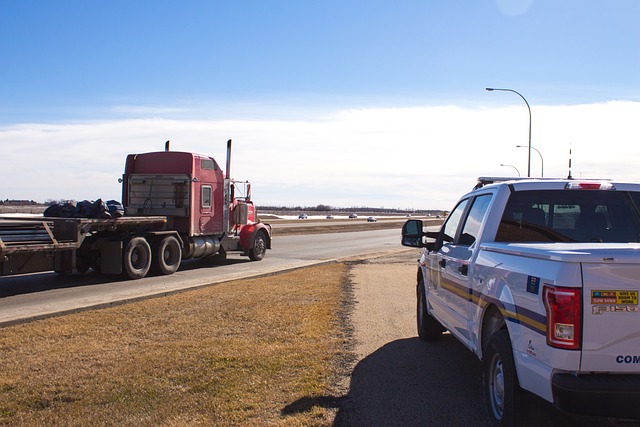
Before you can register your car in California, you’ll need to gather a series of essential documents. This process is crucial for ensuring compliance with state regulations and validating your vehicle’s history. One critical step involves utilizing a Vehicle Identification Number (VIN) verifier to conduct a thorough inspection. The California Department of Motor Vehicles (DMV) recommends using reliable services that offer mobile VIN inspections, providing convenience and accuracy in one go.
For instance, many online platforms now facilitate this process by offering remote VIN verifications. These services not only cross-check your vehicle’s information against state databases but also check for any outstanding issues or recalls. A recent study found that nearly 20% of vehicles checked during a pilot program revealed hidden problems, highlighting the importance of such inspections. Data from the DMV indicates that proper documentation, including accurate VIN records, helps streamline registration by up to 30%.
To begin, gather your vehicle’s VIN, which can usually be located on a plate beneath the windshield or in the driver’s-side door frame. Next, acquire essential paperwork like proof of ownership (title), current registration (if applicable), and insurance documents. Additionally, have a valid driver’s license ready for verification. For out-of-state vehicles, you may need to provide an Interstate Vehicle Registration Form. It’s advisable to pre-check these requirements on the DMV website to avoid any delays during registration.
Using VIN Verifier to Check Vehicle History

Registering a car in California involves a meticulous process to ensure vehicle safety and ownership legitimacy. One crucial step is verifying the Vehicle Identification Number (VIN) history using reliable tools. A VIN verifier, whether online or through mobile apps, plays a pivotal role in this procedure by offering comprehensive insights into a vehicle’s past, including accident reports, odometer rollbacks, and previous ownership details.
For instance, California’s Department of Motor Vehicles (DMV) does not conduct mechanical inspections for registration. Thus, it’s paramount to rely on third-party services that provide mobile VIN verification. These tools scan the unique 17-character VIN to access a vast database, yielding detailed information about the car’s history. A simple text or app-based search can reveal if the vehicle has been in accidents, major repairs, or even if its odometer has been tampered with—crucial knowledge for buyers and sellers alike.
Utilizing mobile VIN verification services is straightforward. Users simply input their VIN into a trusted app or website, receive an immediate report, and make informed decisions. This modern approach enhances transparency in the car buying and selling process, aligning with California’s commitment to digital vehicle registration processes that prioritize safety and consumer protection. By leveraging these tools, Californians can navigate the complex process of registering their vehicles with enhanced confidence and peace of mind.
Completing the Car Registration Application Process

Completing the car registration application process in California involves several steps designed to ensure vehicle safety and compliance with state regulations. The first step is acquiring the necessary documentation, which includes proof of insurance, proof of ownership, and a valid driver’s license. It’s crucial to verify your Vehicle Identification Number (VIN) using a reliable VIN verifier like a mobile app or service that offers remote VIN inspection—this ensures accuracy in data entry and helps prevent errors or fraud. For instance, many California Department of Motor Vehicles (DMV) approved mobile VIN verifiers allow you to input the 17-character VIN into your smartphone, which then cross-references it with national databases to confirm vehicle history.
Next, you’ll need to fill out the Car Registration Application form, available at all DMV offices or downloadable from their website. This form requires detailed information about your vehicle, including make, model, year, and color. It’s important to double-check every detail, especially the VIN, as even a minor error can delay the registration process. Here, using a mobile VIN verifier can prove invaluable—it not only confirms the vehicle’s identity but also provides a written record of its history, which may include prior owners, accident reports, and maintenance records, all of which are essential for a complete application.
Once your form is complete and accurate, submit it along with all required documents to a DMV field office. If you opted for a mobile VIN inspection early in the process, ensure that report is included with your application. It’s beneficial to schedule an appointment beforehand to avoid long wait times, especially during peak seasons. Alternatively, many offices offer online registration services, where you can pay the fee and upload documents electronically, streamlining the entire process significantly. This digital approach not only saves time but also reduces potential errors associated with manual data entry.
Finalizing and Obtaining Your California Registration Certificate

Once you’ve gathered all necessary documents and passed the California vehicle inspection, it’s time to finalize your car registration process. The next step involves obtaining your California Registration Certificate, a crucial document that signifies your vehicle’s legal status in the state. This certificate is not just a piece of paper; it’s a confirmation of ownership and ensures your vehicle complies with safety and environmental standards.
To obtain this certificate, you’ll need to submit your application along with the required fees to the California Department of Motor Vehicles (DMV). This process can be completed online, by mail, or in person at a DMV field office. If you’ve opted for a mobile vin verifier or conducted a mobile vin verification during your preparation, ensure these digital records are readily available. These tools, like other modern solutions, streamline the registration process and provide accurate vehicle information, making it easier to complete the paperwork efficiently.
After submitting your application, allow the DMV time to process it. Typically, this takes around 10 business days. During this period, if any discrepancies or missing information is identified, the DMV will contact you for clarification. Once approved, you’ll receive your California Registration Certificate by mail, which must be displayed on your vehicle at all times when driving within the state. Regularly checking and updating your registration is essential to avoid penalties and ensure a smooth driving experience in California.
By following these steps—from understanding California’s registration requirements to finalizing with a certificate—you can ensure your vehicle is legally registered. Gathering essential documents, utilizing a VIN verifier to check a vehicle’s history, and completing the application process accurately are crucial. These measures not only protect you as a responsible owner but also help maintain California’s thorough vehicle registration system. Leveraging the VIN verifier provides invaluable insights into your car’s past, making it a critical tool in this process. Equip with these key insights, you’re now prepared to navigate California’s registration labyrinth successfully.