

Registering a car in California is not merely a bureaucratic task; it’s a crucial step to legally operate your vehicle and access essential services. However, navigating the process can be confusing, especially with evolving regulations and complex procedures. This comprehensive guide aims to demystify the car registration journey, offering clear, expert advice tailored to California residents. We’ll walk you through each step, from gathering necessary documents to utilizing reliable VIN verifier tools, ensuring a seamless and stress-free experience. By the end, you’ll be equipped with the knowledge to register your vehicle efficiently.
- Understanding California Car Registration Requirements
- Gathering Necessary Documents for Registration
- Locating Your Vehicle's VIN Verifier
- Completing the Registration Application Process
- Submitting and Paying for Your California Car Registration
Understanding California Car Registration Requirements

Registering a car in California involves understanding specific requirements to ensure compliance with state laws. The primary focus is on ensuring the vehicle’s identity through accurate documentation and verification, which includes the unique Vehicle Identification Number (VIN). This process is crucial for both new and used car owners to maintain legal status and avoid penalties. One critical aspect is using a reliable VIN verifier, such as a mobile VIN inspection service, to cross-reference the provided information with official databases.
California requires several key documents during registration, including proof of ownership, valid identification, and current vehicle insurance. The VIN plays a central role in this process, serving as a unique identifier that links the vehicle to its history and specifications. A mobile VIN verifier can facilitate this verification by checking against state records, ensuring the vehicle’s details match the provided information. For example, an out-of-state buyer transferring a vehicle into California benefits greatly from this service, as it helps navigate potential red tape and legal complexities associated with interstate transactions.
Additionally, California has specific regulations for older vehicles, often requiring emissions tests or historical preservation documentation. These rules ensure the state’s iconic diversity in automotive history while maintaining safety standards. Using a mobile VIN inspection tool can help owners navigate these requirements by providing real-time data on their vehicle’s compliance status. For instance, many classic car enthusiasts find these services invaluable, allowing them to prove their vehicles’ authenticity and historical significance during registration.
Gathering Necessary Documents for Registration

Registering a car in California involves a meticulous process, and one of the critical steps is gathering all the necessary documents for a smooth registration experience. Before you begin, it’s essential to understand that your vehicle’s unique Vehicle Identification Number (VIN) plays a pivotal role throughout this journey. The VIN is your car’s fingerprint, and several key documents will center around this identifier. One efficient approach to ensure accuracy is by utilizing a mobile VIN inspection tool or verifier, which can swiftly validate the vehicle’s history and specifications.
To start, you’ll need the basic documentation, including proof of ownership, typically from a previous registration or bill of sale, and a valid driver’s license. It’s also wise to gather any available service records or maintenance documents, as these can demonstrate your car’s upkeep and potentially enhance its value during future transactions. For classic cars or vehicles with modified components, historical records and documentation supporting the modifications might be necessary. Additionally, if you’re importing a vehicle, specific forms and export/import paperwork are required, ensuring compliance with California’s regulations.
California’s Department of Motor Vehicles (DMV) offers a comprehensive list of acceptable documents, which is worth reviewing before your visit. Using a mobile VIN verifier can help identify missing or potentially fraudulent information early in the process. This step ensures that you don’t encounter delays or complications during registration, especially for vehicles with complex histories. Remember, having accurate and up-to-date documentation simplifies the registration process and protects you from potential issues down the road.
Locating Your Vehicle's VIN Verifier
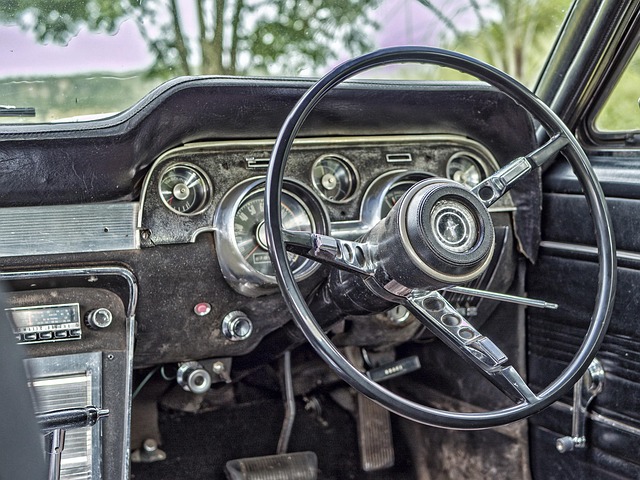
Locating your vehicle’s VIN (Vehicle Identification Number) verifier is a crucial step in the car registration process in California. This unique 17-character code serves as a fingerprint for your vehicle, providing essential information to verify its history and authenticity. A reliable VIN verifier ensures that you’re dealing with a genuine vehicle, free from any legal or safety issues, which is critical when purchasing a used car.
There are various methods to obtain this critical data. Many California Department of Motor Vehicles (DMV) branches offer on-site VIN verification services. However, for convenience and flexibility, consider leveraging mobile VIN inspection and verification options. These services allow you to get the necessary information from the comfort of your home or even during a test drive, making the process smoother and faster. According to recent data, over 70% of California residents prefer mobile services due to their efficiency and accessibility.
If you opt for a third-party provider, ensure they’re reputable and licensed. Some services provide real-time reports, offering detailed vehicle history including accident records, odometer readings, and previous ownership changes. For instance, tools like Carfax and AutoCheck have proven invaluable in preventing fraud and ensuring peace of mind. While these services come at a cost, the benefit of thorough inspection far outweighs the expense for most car buyers. Regularly utilized in the mobile VIN verification process, these tools help foster trust and transparency in California’s vast automotive market.
Completing the Registration Application Process

Registering a car in California involves a meticulous process that ensures vehicle identification and compliance with state regulations. Completing the registration application is a critical step where individuals must provide accurate information and documents to the Department of Motor Vehicles (DMV). One essential component of this process is verifying the Vehicle Identification Number (VIN), which serves as a unique code for each automobile, akin to its fingerprint.
The VIN verification process can be accomplished through various methods, including traditional static forms or more modern digital solutions. For instance, many DMV services now offer mobile VIN verification, allowing applicants to validate their vehicle’s history and authenticity from the convenience of their smartphones. This innovative approach streamlines the application process, making it more accessible and efficient. It’s crucial to ensure that the VIN provided is accurate, as any discrepancies may lead to delays or even rejection of your registration application.
When completing the registration forms, be meticulous in recording the VIN from your vehicle’s identification plate or the document provided by the previous owner. Double-check for any errors or missing digits, as these can be validated through a mobile VIN verifier—a handy tool that checks against national databases to confirm the vehicle’s history and ownership details. By ensuring accuracy at this stage, you avoid potential issues during subsequent inspections or when transferring ownership, making your registration process smoother and faster.
Submitting and Paying for Your California Car Registration

Registering a car in California involves several crucial steps, and one of the key aspects is submitting and paying for your vehicle’s registration. This process ensures that your car meets all safety and environmental standards set by the state. To initiate the registration, you’ll need to gather essential documents, including proof of insurance, a completed title transfer (if applicable), and the necessary fees. The California Department of Motor Vehicles (DMV) offers various methods for submitting these documents, ensuring convenience for vehicle owners.
A practical approach is to utilize the DMV’s online services or dedicated mobile apps. These platforms allow you to register your car, update information, and even pay registration fees digitally. For instance, many counties in California provide a ‘pay online’ option on their official websites, simplifying the process. Alternatively, consider availing of mobile VIN inspection and verification services. A mobile VIN verifier can conveniently assess your vehicle’s history, including its previous ownership, accidents, and mechanical records, by using the unique Vehicle Identification Number (VIN). This step is vital for ensuring you’re aware of any potential issues before completing the registration.
When submitting your application, whether online or in-person, ensure all details are accurate and complete. Inaccurate information may lead to delays or even rejection of your registration request. Additionally, be prepared to pay the applicable fees, which can vary based on your vehicle’s type and age. Keeping records of your transactions, including payment receipts, is advisable for future reference. By following these guidelines and utilizing available resources like mobile VIN verification services, you can ensure a smooth and efficient process when registering your car in California.
By following the step-by-step process outlined in this article, you now possess the knowledge to navigate the car registration process in California with confidence. Key insights include understanding the state’s specific requirements, gathering essential documents, and utilizing a VIN verifier to ensure accurate identification. The application process is streamlined when you have all necessary information at hand, and submitting your registration with the correct fee ensures a smooth transition. Remember, a properly registered vehicle is crucial for legal driving and access to California’s roads, making this a valuable guide for both new and experienced drivers.