

Registering a car in California is a crucial step for any new owner, ensuring legal compliance and access to public roads. However, navigating the process can be cumbersome, especially with stringent requirements like DMV VIN verification. This comprehensive guide aims to demystify the entire procedure, offering step-by-step instructions tailored to California’s unique regulations. From gathering essential documents to understanding fee structures, we’ll equip you with the knowledge to streamline the car registration process efficiently and accurately.
- Gather Required Documents for Car Registration
- Prepare Your Vehicle for DMV Inspection
- Complete Online Registration or Visit a DMV Office
- Submit Proof of Insurance and Pay Fees
- Finalize Registration and Obtain License Plate
Gather Required Documents for Car Registration

Before you begin the registration process for your car in California, ensure you have all the necessary documents ready. This step is crucial to streamline the procedure and avoid potential delays or complications. The primary requirement is a valid Vehicle Identification Number (VIN) verification, which can be accomplished through several methods. One efficient approach is to utilize a mobile VIN verifier, allowing you to complete this essential task from the comfort of your home.
The process typically involves obtaining a vehicle history report, which includes detailed information about your car’s past and current condition. This report should confirm the vehicle’s make, model, year, and other specifications, ensuring they match the data on the registration documents. Additionally, you’ll need to provide proof of insurance, valid driver’s license, and a completed application form from the California Department of Motor Vehicles (DMV). It is worth noting that the DMV offers various ways to submit these forms, including online, by mail, or in-person at their field offices.
For a smoother experience, consider using a mobile VIN inspection service. These services utilize advanced technology to perform a VIN check remotely, comparing your vehicle’s unique identifier against extensive databases. This modern approach not only saves time but also ensures accuracy, as many traditional methods may leave room for human error or outdated information. By gathering all the required documents and utilizing available resources like mobile VIN verifiers, you can efficiently navigate the car registration process in California.
Prepare Your Vehicle for DMV Inspection
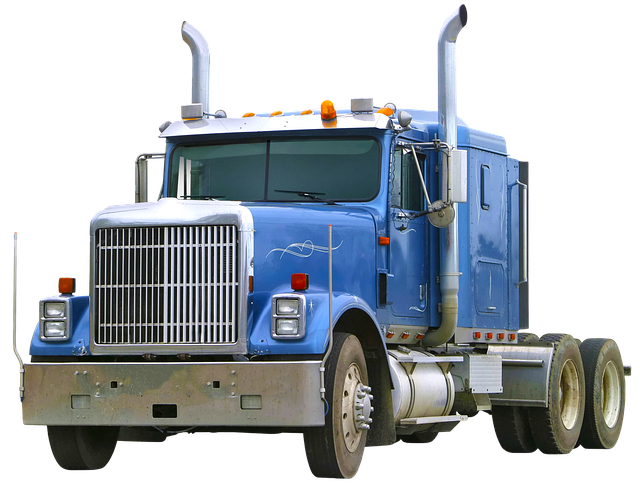
Preparing your vehicle for a DMV inspection is a crucial step in the car registration process in California. This involves ensuring that your vehicle meets all safety and environmental standards set by the Department of Motor Vehicles (DMV). One critical aspect is accurate and up-to-date Vehicle Identification Number (VIN) verification, which can be efficiently managed through mobile VIN verification services. These services allow for convenient and precise DMV VIN validation, saving you time and effort compared to traditional methods.
When getting your car ready for inspection, make sure all documentation is in order. This includes registration papers, proof of insurance, and any necessary emissions test results. Additionally, ensure that your vehicle’s VIN is clearly displayed on the registration documents and on the car itself—this facilitates a seamless inspection process. If you’ve recently acquired the vehicle through a private sale or transfer, it’s particularly important to verify the VIN independently using a mobile VIN verifier. This step helps prevent any potential issues arising from incorrect or altered information.
During the inspection, DMV examiners will check for various components, including lights, brakes, safety belts, and emissions controls. They also conduct a visual inspection of the vehicle’s exterior and interior to ensure it meets the state’s minimum standards. A mobile VIN verification service can be beneficial here as well. These tools cross-reference your VIN with national databases to confirm that the parts and accessories on your car match the recorded specifications. This reduces the likelihood of discrepancies that could delay or deny your registration, ensuring a smoother process overall.
Complete Online Registration or Visit a DMV Office

Registering a car in California involves several steps, one of which is completing the registration process either online or at a DMV office. Both options have their advantages, catering to different preferences and circumstances. If you prefer a digital approach, the California Department of Motor Vehicles (DMV) offers an efficient online registration system. This method allows you to submit your application remotely, saving time and effort. You’ll need to provide essential details such as vehicle information, including a Vehicle Identification Number (VIN) inspection, along with personal data. A VIN inspection is crucial in the registration process, ensuring the accuracy of your vehicle’s identity. Several online platforms offer mobile VIN verification services, making this step straightforward and convenient.
Alternatively, visiting a DMV office remains an option for those who prefer face-to-face interactions. In-person registration involves queuing up at a designated counter, where a DMV agent will guide you through the process. They’ll conduct a thorough VIN inspection to verify your vehicle’s details, ensuring compliance with California’s regulations. This direct approach provides immediate feedback and allows for any necessary corrections during the registration.
Whichever method you choose, ensure that all documents are in order before beginning. Having accurate and up-to-date information streamlines the process and reduces potential delays. Remember, proper vehicle registration is not just a legal requirement but also ensures your safety on California’s roads.
Submit Proof of Insurance and Pay Fees

To complete the registration process for your car in California, you’ll need to submit proof of insurance and pay the associated fees. This crucial step involves verifying your vehicle’s identity through a process known as DMV VIN verification, ensuring that all documentation is accurate and up-to-date. One efficient method to accomplish this is by utilizing mobile VIN verification services, which allow for a seamless and convenient experience.
When registering your vehicle, you’ll be required to present a valid insurance card or proof of financial responsibility. This is essential as California law mandates that all vehicles on its roads have active insurance coverage. You can obtain insurance from various providers, and many offer online platforms for quick and easy policy management. Additionally, some companies now provide mobile VIN inspection services, allowing you to verify your car’s history and insurance eligibility from the comfort of your home or even while you’re on the go. These services utilize advanced technology to cross-reference your vehicle’s unique Vehicle Identification Number (VIN) with state records, ensuring accuracy and saving you time.
The process typically involves inputting your VIN into a secure online system or using a mobile app provided by the insurance company or a third-party verifier. This initiates a digital search that retrieves detailed information about your car, including its history of ownership, accident reports (if any), and current registration status. Once verified, this data is used to generate proof of insurance specific to your vehicle, which you can then submit along with the required fees to the California DMV. Opting for mobile VIN verification can streamline this process, making it a practical solution for busy individuals or those looking to avoid the often lengthy lines at traditional DMV offices.
Finalize Registration and Obtain License Plate

After completing the initial registration process with the California Department of Motor Vehicles (DMV), the next step is to finalize your car’s registration and obtain license plates. This crucial phase involves several key elements, including vehicle inspection and the permanent attachment of license plates. One essential aspect that often goes unnoticed is the DMV VIN verification, which ensures the vehicle’s identification number (VIN) matches the data on file. This process can be seamlessly completed through various mobile vin verification services, offering convenience and accuracy in a single step.
To finalize registration, you’ll need to schedule an appointment for a vehicle inspection at an authorized location. This inspection goes beyond a simple visual check; it includes a thorough examination of critical components such as lights, brakes, and emissions systems. Once your vehicle passes the inspection, the inspector will issue a certificate confirming compliance with California’s safety and environmental standards. With this document, you can proceed to the next stage: acquiring license plates. It’s advisable to allow sufficient time for this process, as delays could impact your vehicle’s legal status on the road.
Obtaining license plates is typically a straightforward procedure. You’ll visit a local DMV office or approved registration agency with your inspection certificate and necessary documentation. An employee will verify your information and issue a set of custom license plates tailored to your vehicle’s make, model, and year. In some cases, you may opt for mobile vin verification services to streamline this process even further. These services allow for remote inspection and plate issuance, saving time and effort while maintaining the highest level of accuracy in DMV VIN verification. Ensure that all details are correct before leaving the office to avoid future complications.
Registering a car in California involves several crucial steps, from gathering essential documents to finalizing the process with a license plate. Key takeaways include preparing your vehicle for a DMV inspection, whether through online registration or an in-person visit, and submitting proof of insurance along with necessary fees. A vital step is the DMV VIN verification, ensuring your vehicle’s identity and history are accurately checked. Once completed, you’ll gain legal ownership, allowing you to navigate California’s roads confidently. Next steps recommend staying organized with documents and keeping up-to-date with registration renewals to avoid any penalties.