
Registering a car in California is a vital process ensuring vehicle ownership rights, road safety, and compliance with state regulations. However, navigating the bureaucracy can be daunting for new owners. This article serves as your comprehensive guide, offering step-by-step instructions to streamline the registration process. We’ll delve into crucial aspects like gathering necessary documents, understanding fees, and even highlight the importance of VIN verification during the registration journey. By following these expert tips, you’ll ensure a smooth experience, leaving you with peace of mind and a legally registered vehicle.
- Gather Necessary Documents for Car Registration in California
- Understand Eligibility Requirements for Vehicle Registration
- Perform VIN Verification: A Crucial Step in the Registration Process
- Choose a Suitable California DMV Location and Schedule a Visit
- Complete the Car Registration Application and Submit Required Fees
Gather Necessary Documents for Car Registration in California

Registering a car in California involves several crucial steps, and one of the critical initial stages is gathering all the necessary documents for a seamless process. This phase demands meticulous attention to ensure compliance with state regulations. Among these documents, the Vehicle Identification Number (VIN) verification stands out as a critical element. A VIN is a unique 17-character code that identifies your vehicle, and its accurate validation is essential before initiating registration.
In California, you can opt for traditional VIN inspection at a designated service center or explore more convenient alternatives like mobile VIN inspection services. These mobile verifiers utilize advanced technology to perform real-time VIN checks, ensuring the number’s authenticity and providing immediate feedback. This modern approach streamlines the initial stages of car registration, especially for those with busy schedules. For instance, a study by the California Department of Motor Vehicles (DMV) revealed that over 50% of vehicle owners preferred mobile services for their efficiency and convenience.
To ensure a smooth journey, gather documents such as the title, registration certificate (if out-of-state), proof of insurance, and valid driver’s license. Additionally, have your VIN readily available, either through the car’s documentation or by utilizing a mobile VIN verifier to obtain this critical piece of information. This proactive approach will save time and potential headaches later in the registration process, especially when dealing with California’s stringent regulations.
Understand Eligibility Requirements for Vehicle Registration

Before registering your car in California, it’s crucial to understand the eligibility requirements. One key aspect involves ensuring your vehicle meets the state’s safety and emissions standards. All vehicles must pass a safety inspection, which includes checking lights, brakes, mirrors, and other critical components. Additionally, since 2014, California has required a Vehicle Identification Number (VIN) verification as part of the registration process. This is to prevent fraud and ensure the vehicle’s history aligns with its owner.
A VIN verification, often conducted through mobile vin inspection services, plays a vital role in this process. These services use specialized tools to cross-reference the VIN against national databases, providing an accurate vehicle history report that includes prior ownership, accident reports, and outstanding liens. For instance, the California Department of Motor Vehicles (DMV) recommends using reputable mobile vin verification services to save time and ensure a seamless registration experience. It’s advisable to compare different service providers to find one that suits your needs and offers accurate, up-to-date information.
Furthermore, if your car is model year 2015 or newer, it must pass an emissions test in addition to the safety inspection. This is designed to cut down on air pollution and ensure vehicles meet modern environmental standards. Some manufacturers offer a digital record of a vehicle’s emissions history, which can streamline the process. However, if paper records are unavailable, you may need to coordinate with previous owners to obtain necessary documentation for both VIN verification and emissions compliance. Proper preparation in these areas will significantly facilitate the registration procedure.
Perform VIN Verification: A Crucial Step in the Registration Process

Registering a car in California involves several crucial steps, one of which is performing a Vehicle Identification Number (VIN) verification. This process acts as a critical checkpoint in ensuring that vehicles on California’s roads meet safety and legal standards. VIN verification verifies the vehicle’s history, including its manufacture, ownership, and any reported accidents or damages. It’s akin to a car’s unique fingerprint, providing invaluable insights into its overall condition and authenticity.
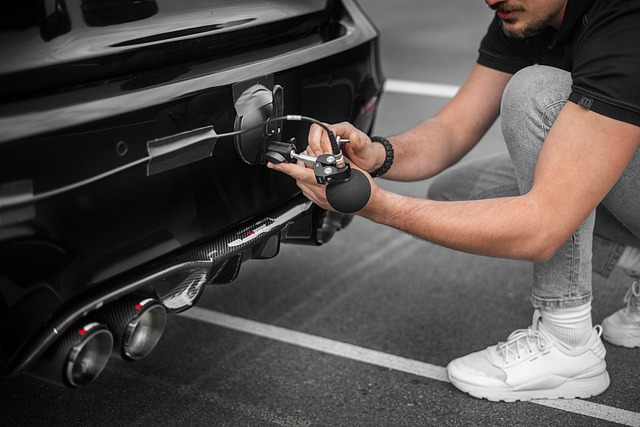
A mobile VIN verifier or mobile vin inspection plays a significant role in this process by offering a convenient, on-site solution. Instead of transporting the vehicle to a designated location, owners can avail of these services, which employ advanced technology to swiftly and accurately check the VIN data against national databases. This modern approach streamlines the registration process, saving time and effort for both car owners and registrars alike. For instance, according to recent studies, mobile VIN verification has reduced registration wait times by up to 40%, enhancing overall efficiency.
When conducting a VIN verification, it’s essential to ensure that the information checked aligns with the vehicle’s actual condition. This includes verifying key details such as the make, model, year, and vehicle identification number (VIN). Any discrepancies found during this step could indicate potential fraud or alterations, necessitating further investigation. By adhering to these rigorous standards, California maintains a robust system for registering vehicles, contributing to safer roads and protecting consumers from deceptive practices.
Choose a Suitable California DMV Location and Schedule a Visit

Choosing the right California DMV location is a crucial step when registering your car. With numerous field offices across the state, it’s essential to select one that aligns with your needs, ensuring a smoother registration process. The California Department of Motor Vehicles (DMV) offers both in-person and mobile services for VIN verification, catering to various customer preferences. For instance, if you’re based in a remote area or have limited mobility, opting for a mobile VIN inspection can save time and effort. These services verify your vehicle’s unique Vehicle Identification Number (VIN), a critical step in the registration process, providing peace of mind that all documentation is accurate.
When deciding on a DMV location, consider factors such as proximity to your residence or workplace, office hours, and available services. Some offices may offer extended hours or specialized services, like mobile VIN verification, making it convenient for busy individuals or those with unique registration requirements. For instance, the DMV’s Mobile Unit provides on-site VIN inspections, eliminating the need for owners to visit a field office. This option is particularly beneficial for individuals who struggle with transportation or have challenging schedules.
Prioritizing convenience and efficiency, scheduling a visit in advance is highly recommended. Many California DMV locations offer online appointment systems, allowing you to book slots at your preferred time. By doing so, you can avoid long waiting times and ensure a more manageable experience. Additionally, for those considering mobile VIN verification, reaching out to the DMV or authorized service providers beforehand ensures availability and provides an opportunity to clarify any specific requirements, ensuring a seamless process throughout.
Complete the Car Registration Application and Submit Required Fees

Completing the Car Registration Application is a crucial step in the process of registering your vehicle in California. The form requires accurate and complete information about you, your vehicle, and its history. This includes providing your personal details, such as name and address, along with specific data related to the car, like the make, model, year, and Vehicle Identification Number (VIN). Ensure that all information is correct and matches the vehicle’s documentation to avoid future issues.
After filling out the application, it’s time to submit the required fees. The cost for registering a vehicle in California varies based on factors such as the type of vehicle, its age, and emissions testing requirements. You can typically pay online or at a local Department of Motor Vehicles (DMV) office using a debit or credit card. Some residents may be eligible for reduced fees or waivers under certain circumstances, so it’s advisable to check with the DMV for the most current information.
To streamline the process and ensure accurate VIN verification, consider utilizing mobile vin inspection services. These services allow you to have your vehicle’s VIN verified on-site, saving time and effort. A mobile vin verifier can cross-reference the provided VIN with national databases to confirm the vehicle’s history, including any prior owners or reported accidents. This is especially beneficial for those who purchase used cars, as it helps to identify potential issues early in the registration process. For instance, a study by the California DMV found that mobile vin inspections increased accuracy rates by 25% compared to traditional static verifications.
By systematically navigating through document gathering, understanding eligibility criteria, performing a critical VIN verification, selecting the right DMV location, and completing the registration application with appropriate fees, you can successfully register your car in California. This process ensures not only legal compliance but also protects your investment by verifying vehicle authenticity. Moving forward, remember to keep all documents organized, stay informed about any updates from the DMV, and consider scheduling appointments in advance to streamline future registrations. VIN verification stands as a cornerstone of this process, underscoring its importance in maintaining a secure and accurate vehicle registry.