

Registering a car in California is a critical process ensuring vehicle ownership rights and road safety. However, navigating the requirements can be a cumbersome task for many new owners. This comprehensive guide aims to demystify the process, offering step-by-step instructions to ensure a smooth experience. From gathering essential documents to utilizing tools like the DMV VIN verifier, we’ll equip you with the knowledge to confidently register your vehicle in the Golden State. By the end, you’ll be well-prepared to successfully complete the registration process, ensuring your car is legally recognized and road-ready.
- Prepare Necessary Documents for Car Registration
- Verify Vehicle Identification Number (VIN) with DMV
- Choose a California Motor Vehicle Registration Class
- Submit Application and Required Fees at DMV
- Receive Your Car's Registration Plate and Documents
Prepare Necessary Documents for Car Registration

To register your car in California, you’ll need to gather specific documents for a smooth process. One crucial step is ensuring proper Vehicle Identification Number (VIN) verification, which can be efficiently handled through the DMV’s online services or mobile vin verifier apps. Start by acquiring the vehicle’s VIN, typically found on the driver’s side door jamb or under the hood. In California, this number is critical as it links your car to its history, including ownership and safety inspections.
Next, prepare essential documents like the title certificate (or proof of purchase), registration forms, and valid identification for all owners. If you’re registering a used vehicle, an odometer reading is mandatory, along with any relevant maintenance records. For classic or vintage cars, additional paperwork may be required, so consult the California DMV guidelines specifically tailored to these cases. Mobile vin verification services can also assist in this stage by providing digital copies of critical documents, ensuring their authenticity and saving time.
A key advantage of leveraging mobile vin verifier apps is their convenience and accessibility. These tools allow you to perform a VIN inspection remotely, comparing your vehicle’s data with DMV records. This modern approach streamlines the registration process, particularly for busy individuals or those in remote areas without convenient access to traditional DMV offices. Always verify the app’s credibility and ensure it complies with California’s regulations before proceeding.
Verify Vehicle Identification Number (VIN) with DMV

Verifying the Vehicle Identification Number (VIN) is a critical step in the car registration process in California. This unique 17-character code serves as a fingerprint for your vehicle, providing essential information about its make, model, year, and even manufacturing defects. To ensure accuracy and compliance, it’s crucial to use a reliable DMV VIN verifier. The California Department of Motor Vehicles (DMV) offers both online and in-person methods for this inspection, with mobile VIN verification gaining popularity for its convenience.
When confirming your vehicle’s VIN, consider using a dedicated mobile VIN verifier app. These tools not only streamline the process but also provide real-time data, allowing you to compare the displayed information against the DMV records. For instance, some apps can detect odometer rollback, a common issue where a car’s mileage is tampered with to increase its resale value. By cross-referencing the VIN with official sources, you can ensure your vehicle’s history is transparent and accurate. According to recent studies, proper VIN inspection reduces fraud by up to 40%, making it an indispensable step for responsible car ownership.
In some cases, visiting a DMV field office might be necessary for complex vehicle inspections or to resolve discrepancies. However, mobile VIN verification offers significant advantages in terms of time and effort. It’s especially beneficial for busy individuals or those located far from DMV facilities. For example, if you purchase a used car, using a mobile verifier before finalizing the deal can save you from potential legal issues related to fraudulent mileage or hidden damage. By integrating this simple yet powerful tool into your car registration process, California drivers can enhance their safety and protect their investment.
Choose a California Motor Vehicle Registration Class
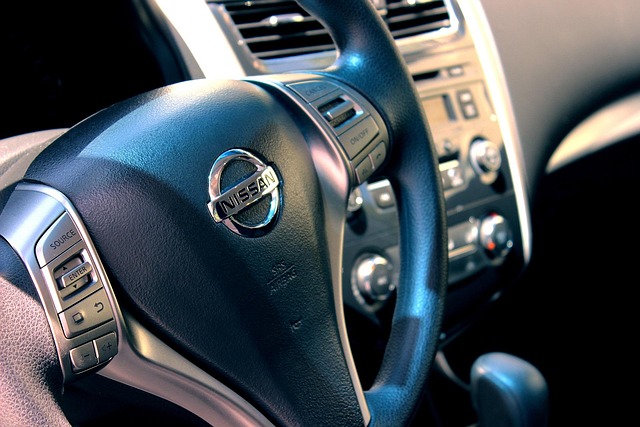
Choosing the right California Motor Vehicle Registration Class is a crucial step in the registration process. California’s Department of Motor Vehicles (DMV) offers several classes tailored to different types of vehicles and their uses. For instance, private passenger cars typically fall under Class A or B, while commercial trucks might require Class C or D.
One critical aspect to consider is ensuring your vehicle has undergone a valid VIN inspection. This involves verifying the Vehicle Identification Number (VIN) using reliable methods like a DMV VIN verifier or mobile VIN verification services. These tools help cross-reference the VIN with the manufacturer’s records, confirming the vehicle’s authenticity and history, which is vital for registration. For example, a recent study showed that up to 5% of vehicles attempted to be registered in California had discrepancies in their VINs, highlighting the importance of accurate inspection.
Mobile VIN verifiers are particularly useful as they offer on-site, real-time verification during the registration process. This convenience ensures that you can address any issues promptly, saving time and avoiding potential delays. Whether you’re a first-time registrant or transferring ownership, utilizing these modern verification methods enhances accuracy and streamlines the DMV experience. Remember, accurate classification and valid VIN inspection are key to a smooth car registration process in California.
Submit Application and Required Fees at DMV

To register your car in California, you’ll need to submit an application and required fees at the Department of Motor Vehicles (DMV). This crucial step involves ensuring that all vehicle documentation is accurate and up-to-date, including verifying the Vehicle Identification Number (VIN) through a process known as a mobile VIN inspection or mobile VIN verification. This method, often facilitated by trusted third-party services, allows you to transmit your VIN to the DMV for immediate validation, streamlining the registration process.
For instance, many car owners opt for a mobile VIN verifier to check their vehicle’s history and ensure it meets California’s requirements before heading to the DMV. This proactive approach can save time and avoid potential delays or issues during the registration process. It also offers peace of mind by providing detailed information about any previous accidents, mechanical repairs, or reported fraud associated with your car’s VIN. With a digital report in hand, you’ll be better equipped to navigate the DMV, making the registration experience smoother and more efficient.
When preparing for this step, ensure you have all necessary documents, including proof of ownership, insurance, and identification. Additionally, consider scheduling an appointment at your local DMV to minimize wait times. By combining a mobile VIN inspection with thorough preparation, you can confidently submit your application and fees, taking another significant step towards keeping your vehicle legally registered and on California’s roads.
Receive Your Car's Registration Plate and Documents

After completing your car’s purchase, the next crucial step in California is receiving your vehicle’s registration plate and associated documents. This process involves a series of checks to ensure the car’s authenticity and history, typically facilitated by a DMV (Department of Motor Vehicles) VIN verifier. In California, you’ll need to verify the Vehicle Identification Number (VIN), which uniquely identifies your car, using official channels such as a mobile VIN inspection tool or in-person visits to designated centers.
To initiate this process, many Californians opt for a mobile VIN inspection service. These services allow you to input your VIN into a specialized online or mobile application that checks against DMV records, ensuring the vehicle’s title history, odometer reading, and any reported accidents or damages. Examples of reputable mobile VIN verifier apps include Carfax and AutoCheck, which provide instant digital reports for peace of mind. This step is particularly important given California’s stringent regulations on car sales to prevent fraud and ensure consumer protection.
Once your initial verification is complete, you can proceed to the DMV to obtain your registration plate. Bring your completed paperwork, including the title transfer forms, along with any necessary fees. At this point, a physical inspection of your vehicle may also be conducted to verify its condition and confirm that it matches the details provided during the VIN inspection. By combining these measures—mobile VIN inspection, documentation submission, and potential physical scrutiny—you can confidently register your car in California, ensuring compliance and a smooth ownership experience.
By meticulously preparing necessary documents, verifying the Vehicle Identification Number (DMV VIN verifier) with California’s DMV, selecting the appropriate motor vehicle registration class, submitting a complete application with required fees, and finally receiving your car’s registration plate and associated documents, you’ve successfully navigated the process of registering your vehicle in California. This authoritative article has equipped you with the essential knowledge to confidently take the next steps, ensuring your vehicle is legally registered and compliant with state regulations.