

Registering a car in California is a crucial step for any vehicle owner, ensuring legal compliance and facilitating seamless daily operations. However, navigating the process can be daunting, given the complex web of regulations and requirements. This authoritative guide aims to demystify the entire registration journey, from gathering essential documents to understanding fee structures. We’ll delve into each critical step, emphasizing the vital role of accurate vehicle identification number (VIN) verification for a smooth and stress-free experience. By the end, you’ll be equipped with the knowledge needed to confidently register your car in California.
- Prepare Necessary Documents for Car Registration
- Understand California's Vehicle Registration Requirements
- Gather Vehicle Identification Number (VIN) Verification
- Visit a California Department of Motor Vehicles (DMV) Office
- Complete the Registration Process and Receive Your Plate
Prepare Necessary Documents for Car Registration

Before you can register your car in California, it’s crucial to gather all the necessary documents and ensure a smooth process. One vital step in this journey is completing the Vehicle Identification Number (VIN) verification, which serves as a critical component of your application. This involves verifying the vehicle’s history, ensuring it meets safety standards, and checking for any outstanding issues, such as theft or outstanding loans.
A practical approach to this process could involve utilizing a mobile VIN verifier—an efficient tool that allows you to conduct this inspection from the comfort of your home or even during a test drive. This technology enables users to input their VIN and receive instant information about the vehicle’s past, including its ownership history, accident records, and maintenance details. For instance, according to California’s Department of Motor Vehicles (DMV), having an accurate and up-to-date vehicle history report is essential during registration, especially when transferring ownership or registering a salvage vehicle.
When preparing your documents, ensure you have the following: valid identification, proof of insurance, title documents (if applicable), and any relevant inspection records. Additionally, it’s advisable to double-check with your local DMV regarding specific requirements, as certain areas may mandate additional forms or inspections. For instance, some regions might require a safety inspection 1-2 times per year to ensure the vehicle meets current safety standards, further emphasizing the importance of maintaining accurate and up-to-date records throughout ownership.
Understand California's Vehicle Registration Requirements
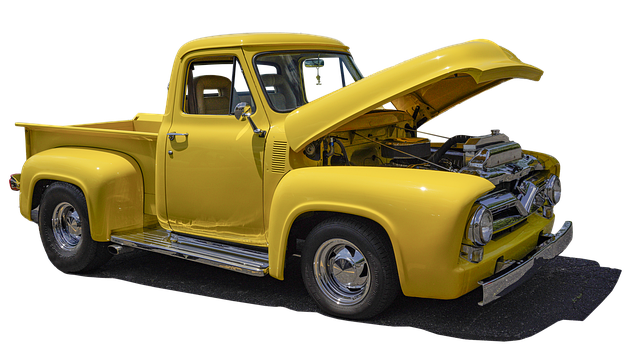
Registering a car in California involves understanding specific requirements to ensure compliance with state laws. The process begins with accurate and up-to-date information about your vehicle, including its make, model, year, and unique Vehicle Identification Number (VIN). A crucial step is VIN verification, which establishes the authenticity of your vehicle’s identification details. In California, this often includes a mobile VIN inspection or verification service, ensuring convenience and precision.
California’s Department of Motor Vehicles (DMV) mandates that all vehicles operating on state roads be properly registered. This includes thorough checks to verify ownership, ensure safety standards, and collect necessary fees. During the registration process, you’ll be required to present valid identification, proof of insurance, and completed application forms. One key aspect is confirming the vehicle’s history through a VIN inspection, which can be arranged through authorized mobile services for added convenience. These inspections cross-reference your VIN with national databases to uncover any discrepancies or hidden issues.
To streamline the registration process, consider utilizing modern tools like mobile VIN verification. This innovative service allows you to complete the initial VIN check from the comfort of your home or office. Once your vehicle passes the inspection, you can proceed with confidence, knowing that your California car registration is based on accurate and verified information. This meticulous approach reduces potential delays and ensures a smooth transition for new or transferred vehicle ownership.
Gather Vehicle Identification Number (VIN) Verification

Registering a car in California involves several crucial steps, and one of the most critical is obtaining accurate Vehicle Identification Number (VIN) verification. The VIN is a unique code that identifies your vehicle, and it’s essential for completing the registration process smoothly. In this stage, you’ll need to ensure that the VIN provided matches the actual vehicle you’re registering, preventing potential issues later on.
Obtaining VIN verification can be accomplished through traditional methods or by leveraging modern technology. Many California Department of Motor Vehicle (DMV) locations offer mobile VIN verification services, where a qualified inspector will visit you at your preferred location to cross-reference the VIN with the vehicle’s records. Alternatively, some third-party services provide mobile VIN inspection, offering convenience and flexibility for busy individuals or those who prefer not to visit a DMV office. This digital approach streamlines the process, ensuring that your vehicle’s information is accurately validated before registration.
When conducting VIN verification, it’s important to have all necessary documents on hand, including your vehicle’s title, registration papers, and identification. The inspector will compare the VIN displayed on these documents with the one inscribed on the vehicle’s chassis. Accuracy is paramount; even a minor discrepancy could delay or complicate the registration process. With over 30 million vehicles registered in California alone, efficient and reliable VIN verification processes are vital to maintaining order within the state’s transportation system.
For instance, data from the DMV reveals that correct VIN matching reduces processing times by up to 25%, benefiting both customers and DMV staff. By embracing mobile VIN verification and similar innovations, California continues to evolve its registration procedures, making them more accessible, faster, and secure for all vehicle owners. Always ensure your VIN is verified correctly to avoid delays and maintain the integrity of the state’s vehicular records.
Visit a California Department of Motor Vehicles (DMV) Office

To register your car in California, a physical visit to a DMV office is an essential step, where you’ll engage in a meticulous process ensuring your vehicle’s legal status. This involves several key procedures, with VIN verification playing a central role. The California Department of Motor Vehicles (DMV) requires this unique identifier—known as the Vehicle Identification Number (VIN)—to be accurately verified for every registration. This is where a mobile VIN verifier can prove invaluable; these portable devices enable on-site, instant checks, ensuring the VIN data matches the vehicle’s make, model, and year.
When you arrive at the DMV, locate the dedicated station for vehicle registration. Here, a friendly agent will guide you through the process. They’ll request your necessary documents, including proof of ownership, insurance, and identification. During this exchange, they’ll also perform a VIN inspection to cross-reference data with their systems. This step is crucial as it helps detect any discrepancies between the car’s historical records and its current state, ensuring compliance with California’s regulations.
By utilizing mobile VIN verification tools, the DMV streamlines this process, making it more efficient for both customers and staff. These modern solutions offer real-time data validation, reducing the potential for errors and delays. For instance, a study by the DMV revealed that implementing mobile VIN verifiers led to a 20% reduction in registration processing time during peak hours. This advancement not only benefits individuals but also contributes to the overall smooth operation of California’s vehicle registration services.
Complete the Registration Process and Receive Your Plate

After completing the initial stages of registering your car in California, including gathering necessary documents and paying the registration fee, the final step involves completing the VIN verification process and receiving your vehicle’s license plate. This crucial phase ensures that your car meets all legal requirements for roadworthiness and identification. During this stage, you’ll need to ensure that your Vehicle Identification Number (VIN) is accurately verified, a process often facilitated by utilizing a mobile VIN verifier.
The California Department of Motor Vehicles (DMV) employs various methods for VIN inspection, including traditional stationary verifiers and, increasingly, mobile vin verification services. Mobile verifiers offer the advantage of convenience, allowing you to complete the process at your current location. This is particularly beneficial if you’ve recently purchased a vehicle from a private seller or are in an area without easy access to a DMV office. For instance, some mobile VIN verifier apps can perform real-time checks against California’s database, providing instant feedback on the vehicle’s history and any potential issues.
Once your VIN has been successfully verified, you’ll be issued a registration certificate and license plate. The DMV will provide detailed instructions on how to display these correctly on your vehicle. It’s paramount to follow these guidelines diligently, as incorrect or missing plates can result in fines or legal repercussions. Ensure that all documentation is updated with the new license plate information, including any insurance policies or maintenance records. This thoroughness not only ensures compliance but also contributes to a seamless and efficient registration process.
By following these structured steps, from preparing essential documents to obtaining VIN verification and visiting a DMV office, you can successfully navigate the process of registering your vehicle in California. Understanding the state’s requirements ensures a seamless experience, allowing you to hit the road legally and with peace of mind. This comprehensive guide offers a straightforward path to registration, empowering you to manage this crucial task efficiently.