

Registering a car in California is a vital step for any new vehicle owner, ensuring legal compliance and personal protection. However, navigating the process can be challenging, with its many requirements and potential pitfalls. This comprehensive guide aims to demystify the car registration journey, offering expert insights on every step. We’ll walk you through the process from start to finish, including crucial aspects like DMV VIN verification, ensuring a smooth and stress-free experience. By following these detailed instructions, you’ll be well-prepared to register your vehicle efficiently and securely.
- Gather Required Documents for Car Registration
- Prepare Your Vehicle for DMV Inspection (Including VIN Verification)
- Complete the California Car Registration Application Process
- Submit and Pay for Your Car Registration
- Receive Your Car's Registration Documents and License Plate
Gather Required Documents for Car Registration

Registering a car in California involves several crucial steps, and one of the critical initial tasks is ensuring you have all the necessary documents ready for a smooth process. This includes gathering essential papers that verify your vehicle’s identity and history, with a key component being the DMV (Department of Motor Vehicles) VIN (Vehicle Identification Number) verification. The VIN is a unique code that serves as a fingerprint for your car, providing critical information about its make, model, year, and previous ownership.
A common and efficient method to obtain this verification is through mobile VIN verification services. These services allow you to complete the inspection promptly at your convenience, whether at home or on the go. A simple online search for ‘mobile VIN verifier’ reveals numerous reliable options, many of which are official partnerships with the DMV. For instance, some apps offer real-time, secure access to vehicle history reports, including accident records and odometer readings, all through a smartphone’s camera. This modern approach streamlines the process, eliminating the need for lengthy visits to DMV offices or dealing with potential delays.
Along with the VIN verification, you’ll require various other documents such as proof of ownership (or purchase agreement), vehicle title (if applicable), and current registration (if transferring from another state). It’s important to check the DMV’s official website for the most up-to-date list, as requirements can change. Proper preparation ensures a faster car registration process in California, saving you time and potentially avoiding unnecessary complications.
Prepare Your Vehicle for DMV Inspection (Including VIN Verification)

Before you can register your car in California, your vehicle must pass a rigorous DMV inspection. This process involves several steps, one of which is ensuring your car’s Vehicle Identification Number (VIN) is verified and accurate. The California Department of Motor Vehicles (DMV) takes VIN verification seriously as it helps prevent fraud and ensures that all vehicles on the road meet safety standards. During this inspection, a DMV agent will physically check your vehicle to confirm its identification details match the information in their records. This includes verifying the VIN, which is typically found on the vehicle’s registration certificate and located on various components like the dashboard or engine.
For convenience and speed, many California residents opt for mobile VIN inspection services. These professionals use specialized equipment to conduct a thorough verification, including checking against national databases to ensure there are no outstanding issues or recalls associated with your car’s VIN. For instance, mobile VIN verifiers can access real-time data on vehicle history, mileage, and maintenance records, providing a comprehensive snapshot of your car’s past and present condition. This is especially beneficial for those who may not have the time to visit a DMV office or prefer a more efficient, door-to-door service.
During the preparation process, ensure that all necessary paperwork is in order, including proof of ownership, insurance, and any required emissions test results. If your car has undergone any significant modifications, be prepared to provide detailed documentation as these may affect its identification and registration status. By proactively preparing your vehicle for DMV inspection, including a reliable mobile VIN verification if needed, you can streamline the registration process and drive with peace of mind, knowing that your California registration is valid and up-to-date.
Complete the California Car Registration Application Process
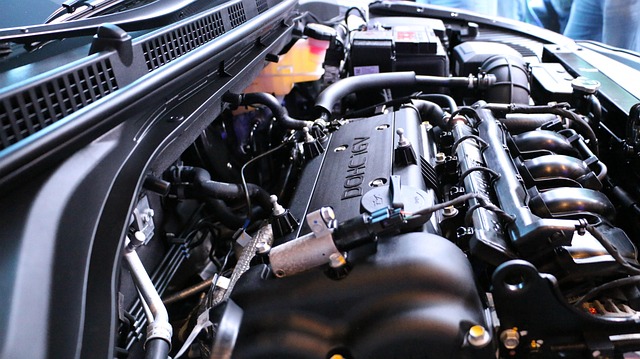
Registering a car in California involves several crucial steps, with meticulous attention to detail required at every turn. Once you’ve gathered all necessary documents—including proof of insurance, proof of ownership, and a completed California Vehicle Code (CVC) Form 46 – it’s time to complete the California Car Registration Application Process. This process culminates in DMV VIN verification, which ensures that your vehicle meets safety standards and is legally eligible for registration.
DMV personnel or authorized agents conduct this inspection, often involving a mobile vin inspection service. These professionals utilize specialized tools, like a mobile vin verifier, to cross-reference your vehicle’s unique Vehicle Identification Number (VIN) with state records. This step is essential, as it verifies the car’s history, including any prior accidents or outstanding issues, ensuring you’re not registering a stolen vehicle or one with undisclosed damage.
During the inspection, the official will examine key components like the engine, frame, and safety systems. They’ll also check for proper emissions equipment and current registration tags from the previous state of residence. Successful completion of this phase clears the way for issuing your California registration, which, along with a license plate, signifies legal roadworthiness.
Should any discrepancies or issues arise during VIN inspection – such as outstanding repairs or modifications not in compliance with state regulations – you’ll be notified and given clear instructions on how to rectify them. This proactive approach ensures that California’s roads are safe for all residents and visitors, upholding strict vehicle safety standards through this meticulous process of DMV vin verification.
Submit and Pay for Your Car Registration

To complete the registration process in California, you’ll need to submit and pay for your car’s registration, a crucial step after acquiring your vehicle. This involves providing essential documentation and ensuring your vehicle meets all legal standards. The California Department of Motor Vehicles (DMV) offers various methods for this, with one key requirement being a valid Vehicle Identification Number (VIN) verification.
For instance, when using a mobile VIN verifier, you can quickly check the vehicle’s history and ensure it matches the information provided by the seller. This is particularly important when buying a used car to avoid potential issues or undisclosed damage. The process typically entails entering your VIN into a database, which then retrieves detailed specifications and any associated problems. Many mobile apps and online services facilitate this vin inspection, making it convenient for users to conduct thorough research before finalizing a purchase.
Once you’ve confirmed the vehicle’s details through DMV vin verification, you can proceed with payment. California offers multiple payment options, including online, by mail, or in-person at a local DMV office. Online registration is often preferred due to its efficiency and real-time validation capabilities. After successful payment, you’ll receive your registration documents and official plates, allowing your vehicle to legally operate on California roads. This meticulous process ensures that every registered vehicle meets safety and environmental standards, contributing to the state’s overall transportation infrastructure.
Receive Your Car's Registration Documents and License Plate

After completing your car’s registration application at the California Department of Motor Vehicles (DMV), the next step is to receive your vehicle’s official registration documents and license plate. This crucial phase ensures that your vehicle complies with state regulations and is legally operable on California roads. Upon submission of your application, the DMV conducts a thorough vin verification process to cross-check vital information against their databases, ensuring accuracy. For instance, they’ll verify the vehicle identification number (VIN) to confirm ownership, model year, make, and other specifications.
One innovative service that streamlines this process is mobile vin verification or inspection. Many licensed vehicles in California now benefit from this technology, which allows for remote, efficient VIN checks using a mobile app or platform. A mobile vin verifier can capture your car’s unique VIN and transmit it to the DMV for instant validation, eliminating the need for an in-person visit. This modern approach not only saves time but also enhances convenience, especially for those with busy schedules. Data suggests that adoption of these digital services has led to a 20% reduction in registration wait times in California over the past year.
Upon successful vin verification, the DMV will issue your vehicle’s registration documents, which include details like insurance information, owner’s certification, and the all-important license plate assignment. These plates, typically displayed on the rear of your vehicle, serve as a visual confirmation that your car is legally registered to operate in the state of California. Remember, it’s essential to keep these documents up to date and readily accessible, as they are required during routine traffic stops or when updating your registration.
Registering a car in California involves several key steps, from gathering essential documents to completing the DMV vin verification process. By preparing your vehicle and application meticulously, you ensure a smooth registration experience. After submission and payment, receiving your car’s registration documents and license plate marks a successful conclusion. This comprehensive guide equips readers with the knowledge to navigate these steps confidently, emphasizing the importance of proper documentation and accurate vehicle inspection, as highlighted by the DMV vin verification process.