

Registering a car in California is a vital step for any new owner, ensuring legal compliance and protecting your investment. However, navigating the process can be a challenge, with its complex requirements and various agencies involved. This article serves as your comprehensive guide, empowering you to effortlessly wade through the red tape. We’ll demystify each step, from gathering essential documents to utilizing reliable tools like VIN verifiers, ensuring an efficient and stress-free registration experience. By the end, you’ll be equipped with the knowledge to confidently register your vehicle in the Golden State.
- Gather Necessary Documents for Car Registration in California
- Understand Eligibility Requirements: Who Can Register a Vehicle?
- Choosing the Right Vehicle Registration Method: Online vs In-Person
- Verify Your Vehicle's VIN: Accurate Identification is Key
- Complete the Registration Process and Obtain Your Certificate of Registration
Gather Necessary Documents for Car Registration in California

Before you can register your car in California, you’ll need to gather a series of essential documents and conduct a critical verification process. This step is crucial as it ensures that all vehicle details are accurate, protecting both you and the state from potential fraud. A key component of this preparation involves utilizing a reliable VIN (Vehicle Identification Number) verifier. Consider a mobile VIN verifier for instance, which can perform a comprehensive inspection at your convenience.
The California Department of Motor Vehicles (DMV) requires several documents to be presented during registration. These include the title or purchase agreement, a valid driver’s license, proof of insurance, and current emissions test results if applicable. However, beyond these standard requirements, you’ll also need to provide the exact VIN from your vehicle. This unique identifier is crucial for identifying your car in case of recalls, theft, or other issues. Some experts recommend using a mobile VIN inspection service to verify this number accurately before proceeding with registration.
For example, many mobile VIN verifiers can cross-reference your vehicle’s details against national databases, ensuring the VIN is legitimate and hasn’t been reported stolen or involved in any fraudulent activities. This added layer of scrutiny can protect you from potential legal issues down the line. Remember, a correct and verified VIN is an integral part of the registration process, so ensure it’s accurate before submitting your application. The California DMV provides clear guidelines on their website regarding what documents are needed, including detailed instructions for using a mobile VIN verifier to meet these requirements.
Understand Eligibility Requirements: Who Can Register a Vehicle?

In California, registering a car involves meeting specific eligibility requirements to ensure safe and legal operation on public roads. The primary focus of this process is confirming that the vehicle meets safety standards and that its owner is legally authorized to operate it. Key considerations include proving vehicle identity through a valid Vehicle Identification Number (VIN) inspection, establishing the owner’s residency, and ensuring the car passes necessary emissions tests.
Vehicle eligibility for registration hinges on several critical factors. First, the car must be legally imported and have a valid, unexpired registration from its country of origin if it’s not manufactured for U.S. markets. Additionally, it should possess all required safety features as per California regulations, such as airbags, anti-lock brakes (ABS), and electronic stability control (ESC). For older models, meeting Federal Motor Vehicle Safety Standards (FMVSS) is mandatory. It’s also crucial to have a current and accurate VIN verifier, often facilitated through mobile VIN verification services or on-site vin inspection stations, to confirm the vehicle’s identity and history.
Further, individuals eligible to register a car include California residents, out-of-state residents temporarily living in the state, and non-residents who own property or conduct business in California. Each category requires specific documentation, such as proof of residency (e.g., utility bills) or business registration. Moreover, anyone assuming ownership through purchase or gift must complete the registration process within 30 days, employing a mobile VIN verifier to ensure a smooth transition without any legal complications. This stringent yet necessary verification ensures California’s roads remain safe for all users.
Choosing the Right Vehicle Registration Method: Online vs In-Person
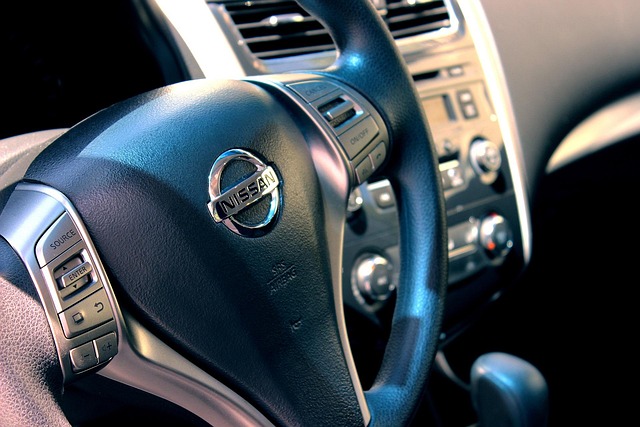
Choosing between online and in-person vehicle registration can significantly impact your experience—and potential delays. In California, both methods are viable, but each presents unique advantages and considerations. Online registration offers convenience, allowing you to complete the process from the comfort of home using a mobile vin verifier. This digital approach streamlines verification by checking your Vehicle Identification Number (VIN) against state records remotely, often reducing wait times compared to in-person visits.
In-person registration, on the other hand, provides tangible benefits such as immediate document updates and direct interaction with personnel who can address any issues or clarify concerns. It’s ideal for those seeking personalized assistance or needing complex transactions done quickly. For instance, mobile vin verification services can expedite the process even further by performing inspections on-site, ensuring accuracy while saving time for both customers and staff.
When deciding, consider your personal preference, available technology, and urgency of registration. Online platforms often provide real-time updates and digital receipts, while in-person visits offer face-to-face support. A practical approach is to use a mobile vin verifier first to initiate the process online, then schedule an in-person visit only if any discrepancies arise during initial checks, ensuring a smoother, more efficient registration journey.
Verify Your Vehicle's VIN: Accurate Identification is Key

Registering a car in California involves a meticulous process designed to ensure vehicle safety and ownership transparency. One critical step that often gets overlooked is verifying your Vehicle Identification Number (VIN). This unique 17-character code serves as a fingerprint for your car, providing essential information about its manufacture, model, and history. Accurate VIN verification is key to ensuring you’re making an informed purchase or transfer of ownership.
A simple yet effective method to validate your vehicle’s VIN is through mobile VIN verification services. These services use advanced technology to cross-reference the VIN with comprehensive databases, offering immediate insights into the vehicle’s past, including accident history, odometer readings, and prior owners. For instance, a study by the California Department of Motor Vehicles (DMV) revealed that approximately 15% of vehicles with reported accidents were subsequently found to have altered or incorrect VINs. Using a mobile VIN verifier can help catch these discrepancies early in the registration process.
By employing mobile VIN verification tools, you gain access to a swift and convenient inspection process. These tools are particularly beneficial for buyers, allowing them to verify a vehicle’s history before making an offer. For example, if you’re considering purchasing a used car from out of state, a quick scan of the VIN using your smartphone can reveal valuable information that might otherwise remain hidden. This proactive approach ensures that both buyers and sellers are protected against potential fraud, making the registration process more secure and reliable.
Complete the Registration Process and Obtain Your Certificate of Registration

After gathering all the necessary documents and verifying your vehicle’s details, it’s time to complete the registration process. In California, this involves submitting your application to the Department of Motor Vehicles (DMV) along with proof of insurance and payment for the registration fee. You can opt for several convenient methods to register your car, including in-person visits, mail-in applications, or online services through the DMV’s website.
If you choose a mobile vin inspection or mobile vin verification service, this step becomes even easier. These services provide on-site vehicle inspections and VIN verifications, ensuring that all information matches accurately with the California records. This is particularly beneficial if your car has been recently purchased from an out-of-state dealer, as it simplifies the registration process and reduces potential errors. Once your application is approved, you’ll receive a Certificate of Registration, which serves as legal proof of your vehicle’s ownership and registration status in California.
It’s crucial to keep this certificate on hand at all times, as it’s required for displaying proper registration when operating your vehicle on California roads. Additionally, consider storing digital copies of your registration documents in case you need to reference them promptly. Regularly renewing your registration before the expiration date ensures uninterrupted driving privileges and avoids any fines or penalties associated with late renewals.
By meticulously gathering all necessary documents, understanding eligibility criteria, and selecting the most suitable registration method—whether online or in-person—you can efficiently navigate the car registration process in California. Verifying your vehicle’s VIN is a critical step that ensures accurate identification, streamlining the entire procedure. Completing the registration and obtaining your Certificate of Registration marks a significant milestone, equipping you with the legal documentation needed to operate your vehicle smoothly within the state. This authoritative guide has equipped readers with essential knowledge and practical steps, empowering them to confidently register their vehicles with ease.