

Learn how to register your car in California with our step-by-step guide. Understanding the state’s requirements, gathering essential documents, visiting your local DMV, verifying your vehicle’s Identification Number (VIN) using a trusted dvm VIN verifier, paying registration fees, and receiving your plates are all included. Simplify the process and ensure compliance with California car registration regulations today!
- Understand California Car Registration Requirements
- Gather Necessary Documents for Registration
- Visit Your Local DMV and Complete Application
- Verify Vehicle Identification Number (VIN) Accuracy
- Pay Registration Fees and Receive Your Plate
Understand California Car Registration Requirements

Before diving into the registration process, it’s crucial to understand California’s car registration requirements. The state Department of Motor Vehicles (DMV) mandates several key steps, including a valid vehicle inspection. One effective tool that facilitates this process is a mobile vin verifier, which allows for remote and efficient verification of a vehicle’s identification number (VIN). This technology plays a pivotal role in ensuring that your car meets all safety and environmental standards set by the state.
A crucial component of registration is confirming the vehicle’s history, which can be achieved through a thorough vin inspection. This inspection goes beyond just checking the VIN; it involves verifying the vehicle’s age, condition, and any prior accidents or outstanding issues. By utilizing advanced mobile vin verification tools, you can streamline this process, ensuring a smoother registration experience at the DMV.
Gather Necessary Documents for Registration

Before you begin the registration process, it’s crucial to gather all the essential documents required by the California Department of Motor Vehicles (DMV). This includes your vehicle’s Registration Application (Form DV-1), which can be obtained online or at any DMV field office. Additionally, you’ll need proof of identity and residency, such as a valid driver’s license, state ID card, or passport; proof of insurance; and the vehicle’s title, if applicable.
A key step in this process is to obtain a Vehicle Identification Number (VIN) inspection from a certified inspector or use a mobile VIN verification service. The DMV recommends using an official VIN verifier to ensure the accuracy of your vehicle’s history report. This step is crucial as it helps verify the car’s condition, identify any potential issues, and complete the registration process smoothly.
Visit Your Local DMV and Complete Application

Visit your local DMV office with all required documents, including proof of ownership and insurance. The process typically involves filling out an application form for vehicle registration. It’s crucial to ensure that the information provided matches the details on file with the Department of Motor Vehicles (DMV). A key step in this process is the verification of the Vehicle Identification Number (VIN), which serves as a unique fingerprint for your car and can be cross-referenced by the DMV vin verifier to guarantee authenticity.
Consider opting for a mobile vin inspection or using a mobile vin verifier if you prefer convenience. This alternative allows you to complete the VIN verification process remotely, saving you time and effort. By employing these modern solutions, you ensure that your vehicle registration proceeds smoothly while maintaining the necessary level of accuracy and official compliance.
Verify Vehicle Identification Number (VIN) Accuracy
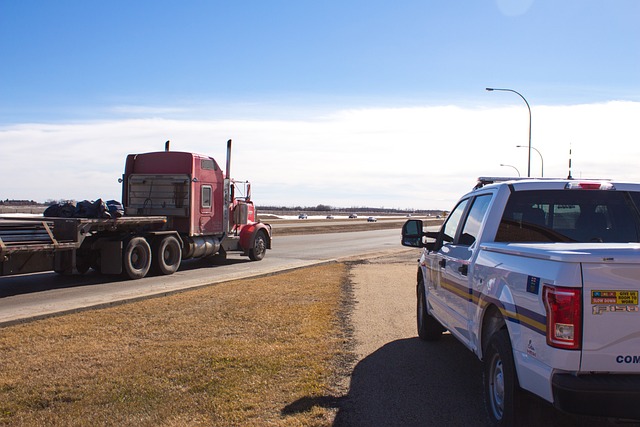
Before registering your car in California, it’s crucial to ensure the Vehicle Identification Number (VIN) is accurate and legitimate. The VIN is a unique code that identifies your vehicle and is essential for its registration process. Start by obtaining the VIN from your vehicle’s documentation or by checking the driver’s side door frame. Next, verify this number using a trusted DMV vin verifier to ensure it matches the one on record with the state. This step is vital as an incorrect VIN can lead to registration delays or even denial.
A mobile vin verifier app or service can make this process quick and efficient, allowing you to cross-reference your VIN with official databases. This additional layer of verification ensures that your car’s identity is confirmed, making the registration process smoother. Remember, an accurate VIN is a fundamental requirement for any vehicle registration in California, so take the time to double-check before proceeding.
Pay Registration Fees and Receive Your Plate

After completing your vehicle’s registration application, it’s time to pay the registration fees. These fees vary based on the type and age of your vehicle. You can typically make the payment online through the DMV website or in person at any California DMV field office. Once your payment is processed, you’ll receive your registration documents and license plate.
Before taking your vehicle off the road, ensure a successful installation of your new license plate. The plate should be securely attached to both sides of your vehicle as per state regulations. Additionally, many Californians opt for a mobile VIN verifier or conduct a vin inspection to verify their vehicle’s history before registering it, ensuring peace of mind and compliance with all legal requirements.
Registering a car in California is a straightforward process that requires understanding the state’s requirements, gathering essential documents, and visiting your local DMV. By following these steps, including verifying the Vehicle Identification Number (VIN) accuracy using a trusted DMV VIN verifier, you can ensure a smooth registration experience. Remember to pay the necessary fees to complete the process and receive your official license plate.